
California law defines sexual battery (or sexual assault) and sexual harassment very broadly. They both include intentional, non-consensual conduct of a sexual nature. In many cases, no physical force is required, and the misconduct does not have to take place at work. It can have happened anywhere.
There is a deadline to file these types of claims, but a new law has temporarily suspended those deadlines and opened a window that allows survivors of abuse or harassment to file claims no matter when the misconduct occurred. With the passage of Assembly Bill 250 (AB 250), many survivors who previously missed the deadline to file a civil lawsuit now have a second chance to do so if they act now.
Sexual Battery Under California Civil Law
California defines sexual battery under Civil Code § 1708.5. It covers intentional, non-consensual touching of an intimate part of another person when the contact is made for purposes of sexual arousal, gratification, or abuse.
This is a civil definition, not a criminal one. No proof of physical force is required, and you do not need a criminal conviction to bring a claim. The main legal issue is whether the contact was sexual in nature, and whether there was consent.
So, what qualifies as sexual battery? Unwanted groping, non-consensual kissing, and other forms of sexual contact that occur without voluntary agreement all qualify. These situations can come up everywhere, including offices, private homes and professional events. The setting does not change the legal analysis at all.
Sexual Harassment in California
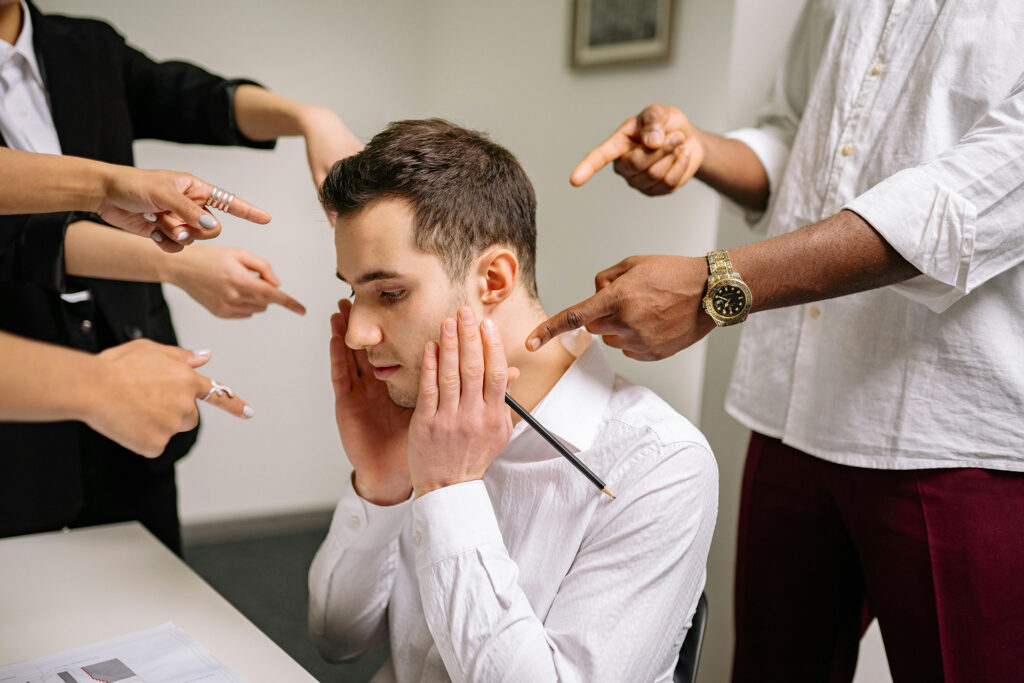
Sexual harassment covers different behavior. Under California’s Fair Employment and Housing Act (FEHA), it includes unwelcome conduct of a sexual nature that is severe enough or happens often enough to create a hostile, intimidating, or offensive environment. It can also include quid pro quo situations, where someone in authority conditions a job benefit on sexual favors or threatens consequences for rejecting advances.
The behavior does not have to be physical. Verbal harassment counts, and so does visual harassment, like displaying explicit images or making sexual gestures in the workplace. Persistent sexual jokes, comments about someone’s body, and repeated unwanted advances all fall within the legal definition.
The harassment does not need to be directed at you personally. If a coworker’s conduct toward someone else creates a hostile environment that affects your ability to do your job, that can be actionable too. A California sexual harassment lawyer can analyze your case and explain your legal options.
Harassment Beyond the Workplace
FEHA is an employment law statute, but California’s protections against sexual misconduct are not limited to the workplace. Civil claims for sexual battery can be brought against anyone, not just employers or coworkers. A person who is assaulted by an acquaintance, a business contact, someone in the entertainment industry, or a stranger may have grounds for a civil lawsuit.
AB 250 applies to both employment-related and non-employment claims. The two-year window that revives expired claims is not restricted to workplace incidents.
What AB 250 Changed
Before AB 250, most civil claims for sexual assault had to be filed within two years of the incident under general personal injury rules. Employment-related harassment claims under FEHA had a three-year window. Once those deadlines passed, the right to sue was gone.
AB 250 changed that. The law created a two-year revival period that began on January 1, 2026, and runs through December 31, 2027. During this window, survivors can file civil lawsuits for sexual battery or sexual harassment even if their claims were previously time-barred by the old deadlines.
The California Legislature passed this bill because lawmakers recognized the simple reality that many survivors do not come forward right away. Trauma, fear, power imbalances, and financial dependence are just some of the reasons people wait. AB 250 reflects the idea that a state-imposed deadline should not permanently block someone from holding a party responsible for sexual misconduct.
Who Qualifies Under AB 250?
Any survivor of sexual battery or sexual harassment in California whose civil claim was previously barred by the statute of limitations may be eligible. There is no requirement that you reported the incident at the time. Silence does not disqualify you.
AB 250 covers misconduct in any setting, from office buildings to private homes to industry events. What matters is whether the conduct meets the legal definition of sexual battery or harassment under California civil law.
The law does not create new criminal penalties. It applies only to civil lawsuits, where a survivor can seek financial damages and other court-ordered relief.

Why the Type of Conduct is Important
Not every unpleasant interaction qualifies as sexual harassment or abuse under the law. California courts look at specific factors when evaluating claims like these. For hostile environment harassment, the conduct must be severe or pervasive enough that a reasonable person would find it hostile or abusive. A single offhand comment at a meeting usually will not meet that standard on its own. But repeated instances of sexual remarks, unwanted touching, or intimidation likely will.
Sexual battery is more straightforward. Was there intentional, non-consensual sexual contact? If so, it may give rise to a civil claim regardless of whether the person was ever charged with a crime.
The facts of each situation determine whether a legal claim exists. That is why speaking with an attorney early matters, especially during the AB 250 window when time is limited.
What You Should Do If You Think You Have a Claim
You should begin by writing down what happened to you. Include dates, locations, names, and as many details as you can remember. If there are text messages, emails, photos, or other records, keep them somewhere safe and separate from your workplace. A perfect memory of every detail is not required, but the more specific you can be, the stronger your position.
Reporting at the time is not a prerequisite either. Many survivors never told anyone, and AB 250 was written with that reality in mind.
The most important thing right now is timing. The revival window closes on December 31, 2027, and that date is not likely to change. Preparing a case takes time, so the sooner you start, the more time your attorney will have to build the strongest possible claim.
Free Consultation with a California Sexual Abuse and Harassment Attorney
If you experienced sexual abuse or sexual harassment and believed it was too late to take legal action, AB 250 may give you another chance. At Yoosefian Law Firm, P.C., we represent survivors throughout California in civil sexual assault and harassment cases, both in the workplace and beyond.
Please call us at 818.275.1529 or complete our online contact form (click here). Consultations are free and confidential, and we will hear your story and explain your legal options.