As of January 1, 2026, a new California law, Cal. Assembly Bill No. 250, gives adult survivors of sexual battery and sexual harassment more time to pursue justice and file a lawsuit. This law allows people to sue for sexual battery or harassment even if their window for doing so had previously closed due to the statute of limitations.
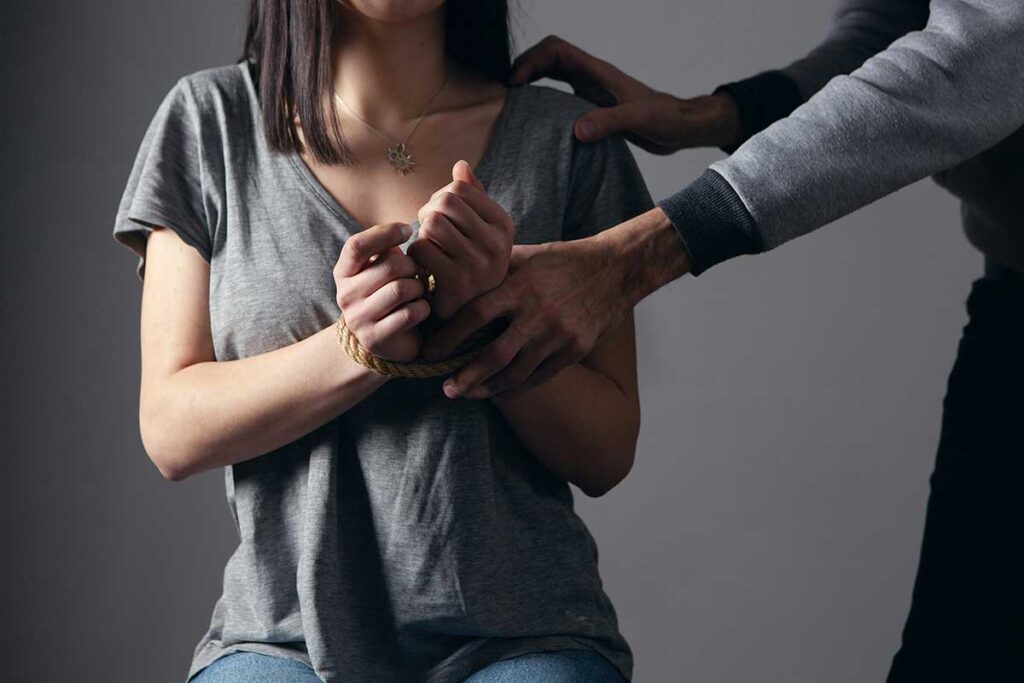
AB 250 reopens the statute of limitations for civil claims of sexual assault and harassment for a two-year revival window, starting January 1, 2026 and ending December 31, 2027. This allows survivors to file lawsuits that were previously time-barred.
This is a powerful chance for people who were assaulted or harassed in the past but were unable to take legal action in time. If you were assaulted by an employer, coworker, acquaintance, or even someone outside of a work setting, and you believed it was too late to file a lawsuit, you may now have a second chance.
At Yoosefian Law Firm, P.C., we help clients take advantage of this new law. We have experience in pursuing these claims in both the employment context and beyond. Our firm has successfully represented victims of sexual harassment and assault, against both employers and other types of defendants.
What Is California AB 250?
AB 250 is a California law that revives previously time-barred civil claims for sexual battery and sexual harassment, including claims that occurred years ago. Under prior law, most civil claims for sexual assault had to be filed within two or three years from the time the incident happened.
This left many survivors without legal options once the statute of limitations expired. With AB 250, California lawmakers recognized that many survivors of sexual assault and harassment need more time to come forward. Delayed reporting is common due to emotional trauma. AB 250 gives these individuals an extended opportunity to file civil lawsuits, even if the time limit had already expired under the old rules.
Key dates under AB 250:
- Revival period begins: January 1, 2026
- Revival period ends: December 31, 2027
During this two-year period, survivors who were previously time-barred may now file lawsuits in civil court to seek compensation.
Who Can Use AB 250?
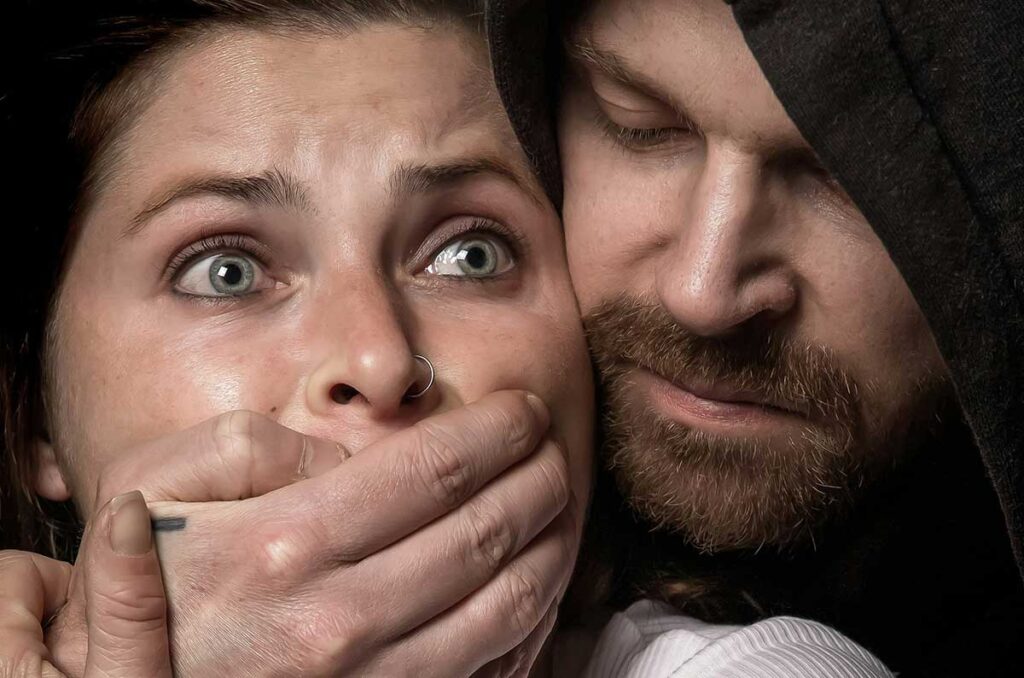
AB 250 is not limited to workplace-related sexual misconduct. It applies to any adult survivor of sexual battery or sexual harassment in California, regardless of the setting in which the misconduct happened. This includes:
- Workplace harassment or assault by an employer, manager, or coworker
- Non-workplace assaults such as those involving acquaintances, industry contacts, or individuals met through social or professional networks
- Incidents involving people in power, like celebrities, producers, or business owners
- Sexual misconduct in social settings, like private residences, studios, or offsite meetings
If you were sexually assaulted or harassed in California and believed your time to file a civil claim had passed, you may now be eligible to pursue a lawsuit during the AB 250 window.
What Types of Cases May Be Revived?
AB 250 focuses on civil claims involving sexual battery and sexual harassment. These may include things such as:
- Unwanted sexual contact or groping
- Sexual coercion or assault
- Non-consensual acts committed during personal or professional interactions
- Sexual advances that led to emotional harm
- Sexual harassment in the workplace
AB 250 does not create new criminal penalties. It only applies to civil cases where a survivor may seek financial damages and other remedies through the court system.
How Does This Apply to Workplace Cases?
At Yoosefian Law Firm, P.C., our California employment lawyers represent clients in employment-related sexual harassment and assault cases. In some cases, the misconduct occurs outside the workplace, such as at off-site meetings and events. These cases are still legally actionable under California employment law, and AB 250 may now allow previously time-barred cases to move forward.
You do not need to have reported the sexual misconduct when it happened. It is very common for survivors to delay reporting and the law recognizes this.
How Does This Apply Outside the Workplace?
Many survivors were harmed in situations that had nothing to do with their job. At Yoosefian Law Firm, P.C., we have represented individuals who were assaulted by people they knew socially, or through professional circles, including those in the entertainment industry. These cases may involve situations where a person was invited to someone’s home, private studio, or other non-work environment and was subjected to unwanted sexual conduct.
Even if the person who committed the assault was not your employer or coworker, you may still have a civil claim if the conduct qualifies as sexual battery or harassment under California law. For example, we have seen cases where someone with influence or status took advantage of a personal relationship to commit misconduct.
If the statute of limitations previously prevented you from filing a lawsuit in one of these situations, AB 250 may now allow you another chance to pursue compensation. The law does not require a workplace connection. It only requires that the underlying conduct qualifies under California’s civil definitions of sexual battery or harassment.
Why You Should Act Now
Survivors of sexual assault and harassment often delay reporting for understandable reasons. California lawmakers recognized these barriers when passing AB 250.
By reopening the statute of limitations, the law creates a chance to file a lawsuit. even if your opportunity had already passed. This makes it important to start the legal process now. Gathering facts, identifying defendants, and preparing your case takes time. Speaking with an attorney at the beginning of this new two year window provides you with the best chance of presenting a strong claim, as gathering evidence usually gets more difficult as time goes on.
What Is Considered Sexual Battery Under California Civil Law?
Sexual battery in California civil law is defined under Civil Code section 1708.5. It involves intentional, harmful, or offensive touching of an intimate part of another person without their consent. Unlike criminal statutes, civil sexual battery does not require proof beyond a reasonable doubt or evidence of physical force. The most important factor is that the contact was non-consensual and of a sexual nature.
This includes situations such as unwanted groping, kissing, or any form of sexual contact that occurs without clear and voluntary agreement. This can happen in a variety of settings, including personal, social, or professional environments. If the conduct meets these criteria, it may be grounds for a civil lawsuit under AB 250.
What Qualifies as Sexual Harassment Under AB 250?
Sexual harassment in a civil context includes a wide range of unwelcome behavior of a sexual nature. This can involve verbal, physical, or visual conduct that creates a hostile, offensive, or intimidating environment. Under California law, sexual harassment may also include situations where someone is pressured into sexual acts in exchange for professional or personal benefits, known as quid pro quo harassment.
Examples of qualifying conduct may include repeated unwanted sexual comments, lewd gestures, exposure to explicit images, sexual jokes, inappropriate touching, or pressure to engage in sexual activity. The harassment does not need to occur in the workplace to be actionable under AB 250. What matters is whether the conduct caused emotional harm or interfered with a person’s sense of safety and dignity.
AB 250 allows previously time-barred civil claims of sexual harassment to be revived between January 1, 2026, and December 31, 2027. If you experienced sexual harassment that meets these standards and were unable to file in time, you may now have an opportunity to seek justice and file a civil lawsuit.

Examples of Cases That May Now Be Pursued
Over the years, we’ve seen a wide range of misconduct that could fall under AB 250’s scope. Some examples of what we have seen:
- An entertainment executive sexually assaulted a junior colleague after inviting them to a private studio meeting
- A business owner pursued a personal relationship with a subordinate, which led to unwanted sexual contact and retaliation when the advances were rejected
- A former supervisor harassed an employee during their employment, but the employee was too afraid to report it at the time
- A person was assaulted by someone they met socially, who is not a colleague or employer
These are real situations that occur every day in California. AB 250 offers a new path forward for survivors in similar circumstances.
What Should You Do If You Think You Have a Claim?
If you believe you were sexually harassed or assaulted, and you did not report it or were unable to pursue it due to time limits, you have another chance to learn about your options. Even if the incident occurred years ago, you may still be eligible under AB 250. You should speak with an attorney who understands how to handle sensitive cases with care, experience, and skill.
At Yoosefian Law Firm, P.C., we provide confidential, no-obligation consultations to help you understand your rights. We take sexual harassment and assault cases seriously and fight for you and know how to hold people accountable for their misconduct.
Contact Yoosefian Law Firm, P.C.
Our firm is dedicated to protecting survivors of sexual misconduct. We’ve successfully represented clients in complex, high-stakes cases and know how emotional these matters can be.
Call us at (818) 275-1529 or contact us online for a free, confidential consultation. Let us help you take the next step.
FAQs
What is California Assembly Bill 250?
Assembly Bill 250 is a California law that allows survivors of sexual assault or harassment to file civil lawsuits that were previously barred by the statute of limitations. From January 1, 2026 to December 31, 2027, survivors can pursue claims even if their original deadline to sue has passed.
Who can file a lawsuit under AB 250?
AB 250 applies to adults who experienced sexual battery or sexual harassment in California and were previously unable to file a lawsuit due to expired statutes of limitations. It covers both workplace and non-workplace incidents.
Does AB 250 apply to sexual harassment, or only sexual assault?
AB 250 applies to both. Survivors of sexual battery and civil sexual harassment may be eligible to file claims during the revival window, even if their claims would have been barred under prior deadlines.
What is the time window to file a claim under AB 250?
The law opens a two-year revival period beginning January 1, 2026 and ending December 31, 2027. Claims must be filed within this window to be eligible under AB 250.
Can I still file a claim if the assault happened more than 10 years ago?
Yes. AB 250 allows claims that would otherwise be too old to file. The key requirement is that the claim involves sexual battery or harassment and was time-barred under previous laws.
Does AB 250 only apply to workplace incidents?
No. AB 250 covers misconduct that occurred inside or outside of work. This includes incidents involving acquaintances, social settings, or industry-related contacts where there may be no employment relationship.
How do I know if what happened to me qualifies as sexual battery or harassment?
If you experienced non-consensual sexual contact or ongoing unwanted sexual behavior that caused emotional harm or fear, it may qualify. A lawyer can review the facts and determine whether your experience meets the legal requirements.
Do I need to have reported the incident when it happened?
No. There is no requirement under AB 250 that you reported the misconduct at the time. Many survivors delay reporting for valid reasons. The law allows those individuals to now step forward.